Fairfax County, Virginia
Building the Next Generation of Innovative Thinkers
ATLAS STEM brings free, hands-on engineering sessions to Fairfax County middle schools, run entirely by high school volunteers.
Our mission
ATLAS STEM brings free, hands-on electronics sessions to Fairfax County middle schools, run entirely by high school volunteers.
Most middle schoolers meet engineering as a worksheet. We think the first encounter should be something they built themselves, that does something they can see or hear across the room, with a piece of it to take home.
We work inside after-school blocks that schools already run, so a session costs a school nothing but a room. We supply every part, every tool, and every instructor. Nothing is billed to families, and no student is ever asked to buy a thing.
What Atlas stands for
- AAccelerating
- TTomorrow's
- LLearning
- Ain Applied
- SScience
How it works
Three steps, and two of them are ours
A school gives us a block
One existing after-school period, one room with tables, and one staff member in the room.
We bring everything else
Parts, tools, instructions, scoring sheets, and three instructors. Nothing is billed to the school or to families.
Students leave with what they built
Every student finishes something that works, and takes a piece of it home. The reusable gear goes on to the next school.
Curriculum
Three sessions to choose from
All three run in the same ninety-minute block with the same staffing and the same safety rules. Pick whichever fits your space and your students.
Program 01
The Trap Room
Teams rig a doorway with a hidden pressure plate and a trip wire on one buzzer, then try to catch an intruder three different ways.
- Circuits, switches and parallel wiring
- Any classroom with tables
- Three intruder walks a round, 3V, no mains power
Program 02
Circuit City
Teams wire a street of eight houses off one battery, overload it until the lights go dim, then work out what to switch off.
- Power systems and the grid
- Any classroom with tables
- Two scored rounds, 3V, no mains power
Program 03
The Flight Deck
Students build their own rubber-band powered plane, trim it between throws, then fly it for distance and for time aloft.
- Flight and stored energy
- Needs a gym, cafeteria or field
- Six scored flights, no electricity
Each program has a one-page infographic covering the session, what we bring, what the school provides, and what students take away.
Click here to see the curriculum optionsEvery session
What holds true whichever program you pick
Session structure
A session runs about ninety minutes inside one existing after-school block. Students work in small teams, build from a printed card, and then put what they made through scored rounds, with a fix window in between. Every student takes something they built home the same afternoon.
How we teach it
Students are shown the build first and then make it themselves. The science behind it is taught afterwards, once they have a working device in front of them and a reason to care how it works.
What students actually learn
- How a design choice they made shows up as a number on the test table.
- Why something that works on the table fails after it is moved.
- How to find a fault by testing one section at a time instead of rebuilding everything.
- That a first attempt that fails is information, not a verdict.
Safety
- Three volts at most, from two AA cells, in the two electronics sessions.
- Nothing plugs into a wall. No mains power at any point.
- No soldering, no heat tools, no cutting tool in a student's hands.
- Every hole and every part is cut before the session starts.
- The Flight Deck runs on rubber motors, so allergies are confirmed before a date is booked.
Cost to the school: $0. Cost to families: $0. Materials are funded and supplied by ATLAS STEM. There is no fee, no supply list, and no request for donations.
For schools
The whole arrangement, on one screen
Tick through it to see what sits on your side and what sits on ours.
Supervision and volunteer status
All three instructors are Fairfax County high school students. Every instructor completes Volunteer FCPS registration before working a session, and we can send confirmation of clearance to you before you commit to a date. An FCPS staff member remains in the room for the entire session. Atlas instructors do not supervise students without that staff member present, do not contact students directly, and do not photograph students.
Downloads
The curriculum page carries a one-page infographic for each program, covering logistics, safety, supervision and status. Any of them can be forwarded to your principal as-is. Direct downloads: The Trap Room, Circuit City, The Flight Deck.
Team
Three Fairfax County high school students
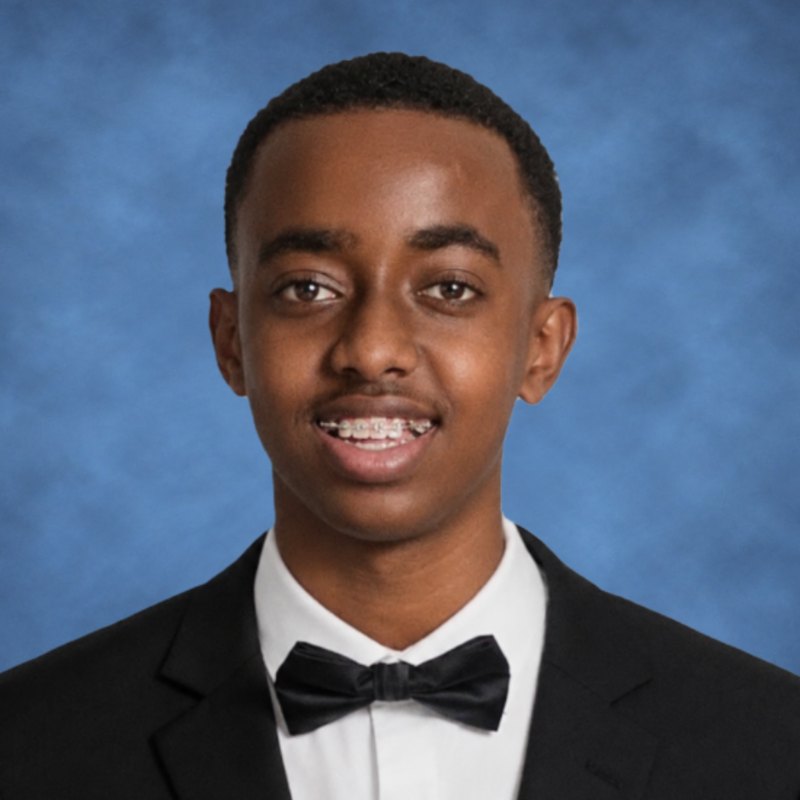
Samuel Mulat
Co-Founder & Chief Technical Officer
Samuel leads the technical side of ATLAS STEM. He designs the circuits and build kits for all three programs, sources and prices every part, and builds the scoring system each session runs on. He programs in Python, HTML and CSS, runs the ATLAS STEM website, and competed at FBLA Nationals in Website Development.
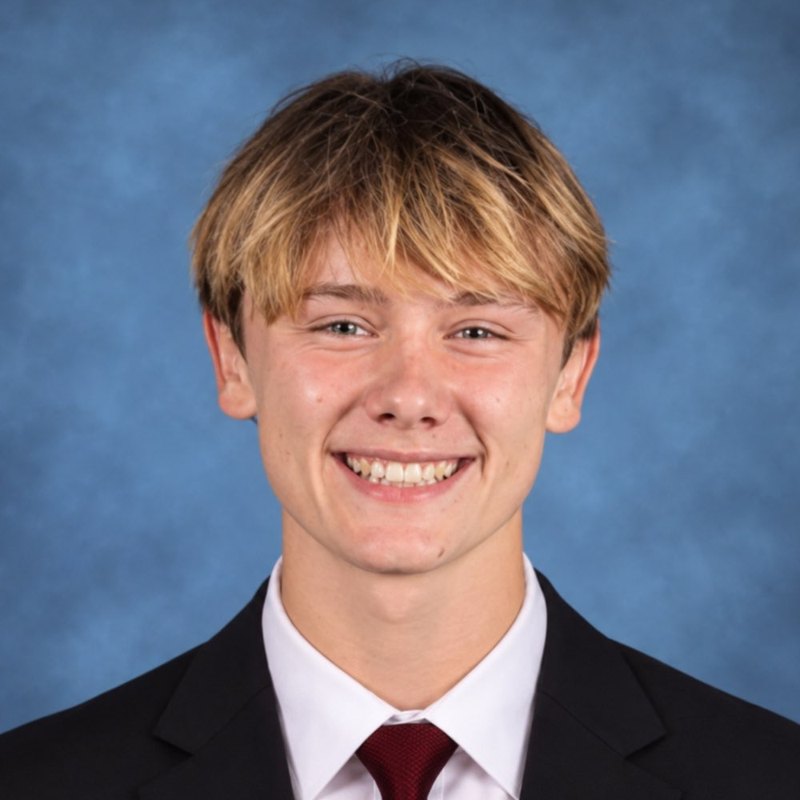
Kelly Holtz
Co-Founder & Chief Program Officer
Kelly runs the ATLAS STEM programs: The Trap Room, Circuit City and The Flight Deck. He writes the session plans, the printed build cards and the science lesson that follows each build. His rule for every build card is that a sixth grader has to get through it without asking what a word means. He speaks Spanish fluently.
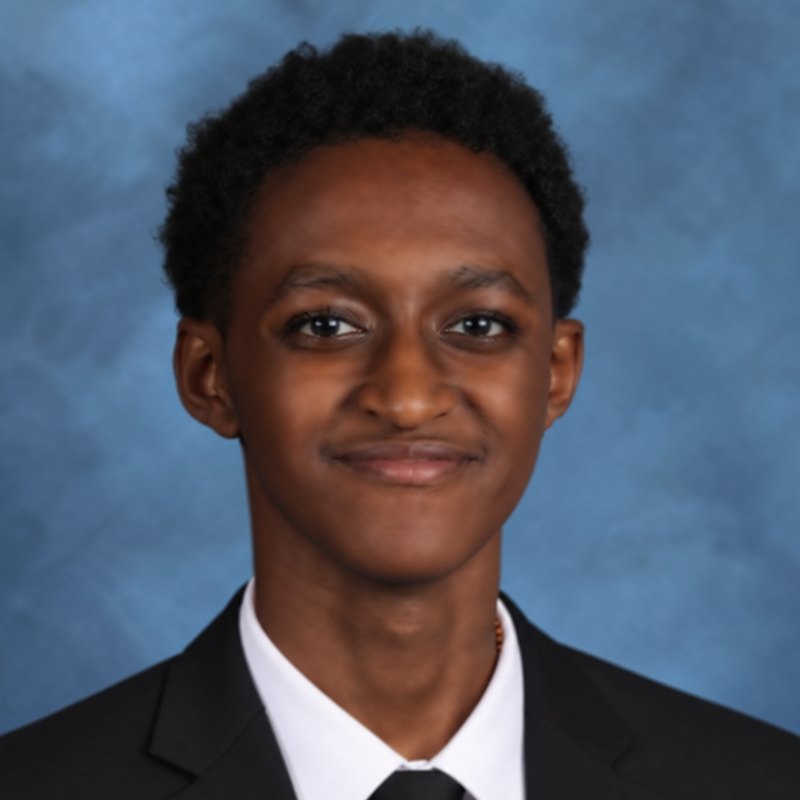
Robel Teklebirhan
Chief Operating Officer
Robel runs every session day. He keeps teams moving between tables, keeps the session on schedule, and troubleshoots builds as they happen, reaching a stuck team before they give up.
Contact
Get a session on the calendar
Email us directly at team@atlastem.org, or use the form below.
This form is for adults and high school volunteers only. It is intended for parents, educators, After-School Program Specialists, and high school students aged 14 and over. Middle school students should not use this form. If you are a middle schooler who wants Atlas at your school, ask your After-School Specialist to contact us.